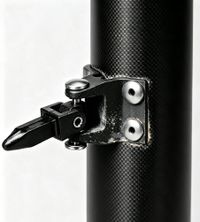
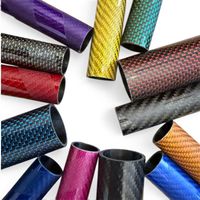
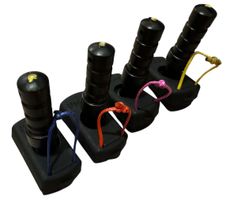
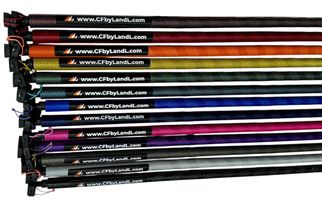
Carbon fibre has become increasingly common on dinghies, catamarans and small keelboats. Its excellent strength-to-weight ratio makes it ideal for masts, booms, bowsprits, tillers, tiller extensions and other components where keeping weight down can make a noticeable difference to performance.
However, there is a potential problem when carbon fibre is combined with metal fittings: galvanic corrosion.
Put the metal fittings on carbon fibre without isolation, allow seawater into the joint and a small fitting can gradually become a serious structural weakness. Aluminium can corrode rapidly, stainless steel can suffer from hidden corrosion, and damage can sometimes develop beneath a fitting long before it becomes obvious.
The good news is that galvanic corrosion on carbon fibre is largely preventable. Choosing the right material, properly isolating metal from carbon and carrying out regular inspections can help keep your rig safe and reliable.
What causes galvanic corrosion on carbon fibre?
Carbon fibre is electrically conductive and relatively noble compared with many common marine metals. When carbon and a less noble metal are connected in the presence of an electrolyte such as seawater, a galvanic cell can form.
The less noble material becomes the one that corrodes but this can consequently affect not just the fitting but also the carbon fibre if left and / or unnoticed.
This is particularly relevant to sailors because saltwater is an excellent electrolyte. A fitting that looks perfectly good from the outside can be gradually corroding where it meets the carbon underneath.
Aluminium is especially vulnerable, while stainless steel is generally more resistant but can still suffer from pitting and crevice corrosion.
The fundamental rule is simple:
Do not allow bare metal to make direct contact with bare carbon fibre, particularly where seawater can reach the joint.
Aluminium vs stainless steel on carbon fibre:
There is no universally 'best' metal for carbon-fibre boat fittings. The right choice depends on the loads involved, the location of the fitting and how important weight saving is.
Anodised aluminium: the lightweight choice
For dinghies and catamarans, weight is often critical. Anodised aluminium provides a useful combination of low weight, strength and corrosion protection.
The anodising process creates a hard oxide layer on the aluminium surface. This provides protection and can also act as an electrical barrier between the aluminium and carbon.
The major weakness is that the protection (the anodising) can be damaged.
A deep scratch, chip or worn area can expose the aluminium underneath. Once exposed, it can become highly susceptible to galvanic corrosion when in contact with carbon and seawater.
Anodised aluminium is particularly suitable for:
> Carbon mast spreader brackets
> Goosenecks
> Sheave boxes
> Tiller heads
> Cleat mounts
> Spinnaker-pole end fittings
> Bowsprit fittings
> Lightweight deck hardware.
For racing boats, the weight advantage can be significant, particularly when hardware is positioned high on a mast or at the end of a spar.
Stainless steel: the high-load option
Marine-grade (known as 316 or A4) stainless steel is often the better choice where strength, durability and resistance to wear are more important than minimum weight.
It is particularly useful for:
> Highly loaded shroud tangs
> Mast hounds
> Forestay attachments
> Chainplates
> High-load pins
> Structural bolts
> Rudder-stock clamping bolts
> High-wear attachment points.
Stainless steel is more resistant to mechanical damage than anodised aluminium and is generally closer to carbon fibre in galvanic potential.
However, stainless steel is not corrosion-proof.
Where water becomes trapped and oxygen is restricted, stainless steel can develop crevice corrosion. Brown or orange 'tea staining' around a fitting should therefore be investigated rather than simply polished away.
The other disadvantage is weight. On a lightweight dinghy, keelboat or catamaran, unnecessary stainless steel hardware can quickly add weight where you least want it.
Which metal should you use?
As a general guide, use anodised aluminium where weight is important and loads are moderate, and stainless steel where loads, wear or strength requirements justify the additional weight.
For example:
> Component
> Preferred material
> Main function.
Mast spreader brackets Anodised aluminium Saves weight aloft
Gooseneck Anodised aluminium Lightweight and sufficiently strong for many applications
Highly loaded mast tangs Stainless steel High strength
Spinnaker pole ends Anodised aluminium Easier handling
Bowsprit hardware Aluminium / stainless steel depending on load Balance of weight and strength
Tiller head Anodised aluminium Keeps the helm light
Rudder stock bolts Stainless steel Strength and wear resistance
High-load pins Stainless steel Shear and wear resistance
This is a starting point rather than a substitute for proper engineering. Highly loaded fittings should always be selected according to the actual loads and the manufacturer's recommendations.
How to isolate metal fittings from carbon fibre:
Choosing the right metal is only half the solution.
The fitting must also be electrically isolated from the carbon.
Several methods can be used, often in combination.
Use G10 or fibreglass barriers
G10 fibreglass sheet makes an excellent insulating barrier between a metal fitting and a carbon surface.
A thin G10 gasket or washer can prevent direct metal-to-carbon contact while providing a durable physical barrier.
Use plastic or Delrin bushes
Bolt holes are an easy place for galvanic contact to occur.
Plastic, nylon or Delrin bushes and shoulder washers can prevent stainless steel bolts from touching the carbon laminate inside the hole.
This is particularly useful on tiller fittings, rudder hardware, and other areas exposed to constant movement.
Use an anti-galvanic paste
Products such as Tef-Gel can be applied to fastener threads and mating surfaces to help prevent electrical contact and keep seawater away from the joint.
These products are particularly useful on removable hardware because they remain soft rather than forming a hard adhesive bond.
Bed fittings with a flexible sealant
A suitable marine sealant can provide both a watertight seal and a physical barrier between the fitting and carbon. A good silicone sealant or something like Sikaflex 291 can be used.
Flexible sealants are particularly useful on spars that flex under load. A rigid barrier can crack as the spar moves, potentially allowing seawater back into the joint.
What about rivets?
Riveted aluminium fittings are common on carbon masts and spars, but rivets require careful attention.
Never assume that because the outside of an aluminium fitting is anodised, the entire joint is electrically isolated.
The rivet, hole and underside of the fitting can all provide potential paths for corrosion.
Where rivets are required, use appropriate marine-grade fasteners and isolate the fitting and fastener system according to the spar manufacturer's or boatbuilder's specification.
If an existing rivet becomes loose, develops a white corrosion ring or appears to be sinking into the fitting, investigate it rather than simply replacing it with another rivet.
A damaged or enlarged carbon hole may require proper composite repair before a new fastener is installed.
Four warning signs of galvanic corrosion:
Galvanic corrosion often develops quietly. Knowing what to look for can prevent a small problem becoming a major failure.
1. White powder around aluminium
A white, chalky deposit around an aluminium fitting is a classic warning sign.
It indicates aluminium corrosion and should prompt an inspection of the fitting and the surface underneath it.
2. Bubbling or damaged anodising
Raised, blistered or flaking anodising can indicate that corrosion is developing beneath the protective coating.
Pay particular attention to areas around rivets, bolt holes and the edge of the fitting.
3. Brown staining around stainless steel
Orange or brown 'tea staining' can indicate corrosion around stainless steel fittings. It might also indicate that the fitting is 304 or A2 stainless steel which is not marine grade.
It may be superficial, but it can also be a warning of corrosion developing inside a damp crevice.
4. Cracks around carbon fittings
Hairline cracks, delamination or changes in the carbon laminate around a highly loaded fitting should be taken seriously.
If you see cracking around a mast fitting, shroud attachment, rudder fitting or other structural component, seek advice from a competent composite or boatbuilding professional before sailing.
A quick inspection routine for sailors:
You don't need a workshop full of specialist equipment to catch many problems early.
After sailing, particularly after a saltwater session:
1. Rinse the boat and rig thoroughly with fresh water. Pay particular attention to metal-to-carbon joints.
2. Check aluminium fittings for white powder, pitting or damaged anodising.
3. Check stainless fittings for tea staining, pitting or unusual discolouration.
4. Check fasteners and rivets for looseness or movement.
5. Wiggle moving fittings such as tiller heads, universal joints and pole-end mechanisms.
6. Inspect the carbon around attachment points for cracks, impact damage or delamination.
7. Investigate unusual noises, particularly grinding or crunching from a fitting or joint.
If an important fitting feels loose or behaves differently from normal, don't wait for it to fail on the water.
If it feels wrong, find out why before you launch.
Why dinghies, catamarans and keelboats need extra care
Galvanic corrosion matters on all carbon-fibre equipped boats, but lightweight dinghies, catamarans and keelboats present some particular challenges.
Their spars and steering systems are often extremely light and highly loaded. Components are also frequently assembled and dismantled, transported to events and exposed to seawater.
A fitting may therefore be subjected to:
> Repeated flexing
> Vibration
> Impact
> Saltwater exposure
> Abrasion.
> Frequent assembly and disassembly.
This can gradually damage protective coatings and isolation barriers.
For this reason, regular inspection is particularly important on racing dinghies, catamarans and keelboats.
Rinsing with fresh water after sailing is one of the simplest things you can do. Inspect aluminium fittings for scratches every time the boat is rigged, and don't ignore corrosion simply because the fitting is still functioning.
Small keelboats: don't overlook fittings on carbon fibre components.
The same principles apply to small keelboats fitted with carbon masts, booms, tillers, spinnaker poles or other composite components.
The loads may be different from those on a dinghy, but keelboats can spend much longer exposed to seawater. Deck hardware can also trap water against carbon surfaces for extended periods.
Pay particular attention to:
> Mast fittings
> Chainplates and tangs
> Boom fittings
> Pole and bowsprit hardware
> Rudder and tiller connections
> Deck fittings attached to carbon structures.
Where a boat spends long periods afloat, keeping water out of the metal-carbon interface becomes particularly important.
A simple maintenance schedule:
A little preventative maintenance can save a lot of trouble later.
Before the sailing season
Carry out a thorough inspection of high-load fittings.
Remove and inspect critical fasteners where appropriate, clean or replace old corroding fittings and renew worn isolation materials.
Pay particular attention to mast tangs, spreader brackets, goosenecks, bowsprits, rudder fittings and tiller joints.
After sailing
Rinse saltwater from the boat and rig with fresh water.
Check for white aluminium corrosion, tea staining and damaged anodising.
During the season
Regularly check fasteners for movement and inspect the areas around rivets and bolt holes.
Don't simply tighten a loose fitting without investigating why it has become loose.
At the end of the season
Where appropriate, dismantle critical fittings and if possible inspect the hidden mating surfaces.
Remove old sealants carefully and check for corrosion or laminate damage before storing the boat.
The golden rule: isolate, inspect and rinse
There is no reason to avoid metal fittings on carbon fibre. Aluminium and stainless steel can both work extremely well when correctly selected and installed.
The key is understanding that carbon fibre, metal and seawater are a system.
For lightweight racing boats, anodised aluminium is often the best choice where its strength is sufficient. Stainless steel is better reserved for highly loaded, high wear or structurally critical components where its additional strength is needed.
Whatever material you use, isolate it from the carbon fibre, keep seawater out of the joint and inspect it regularly.
For dinghy, catamaran and small keelboat sailors, three habits are particularly valuable:
> Choose the right metal.
> Isolate it properly.
> Check it before it fails.
Those three steps can protect your carbon rig, preserve the weight advantage you paid for and, most importantly, help keep you sailing safely.